
Charity Calls For Government Action as Poliovirus Detected in UK Sewage for Tenth Time Since 2024
11th April 2026
The British Polio Fellowship (BPF), a national charity supporting thousands of individuals in the UK affected by the long-term impacts of poliomyelitis, has issued an urgent warning following the latest detection of poliovirus in UK sewage. This marks the tenth occurrence since 2024 and the second confirmed case in 2026.
On 26 March, the Global Polio Eradication Initiative (GPEI) verified the presence of circulating vaccine-derived poliovirus type 2 (cVDPV2) in a sewage sample collected in London. The discovery comes just a week after the UK government announced the complete withdrawal of its funding from GPEI, an organisation it has significantly supported since its establishment in 1988.
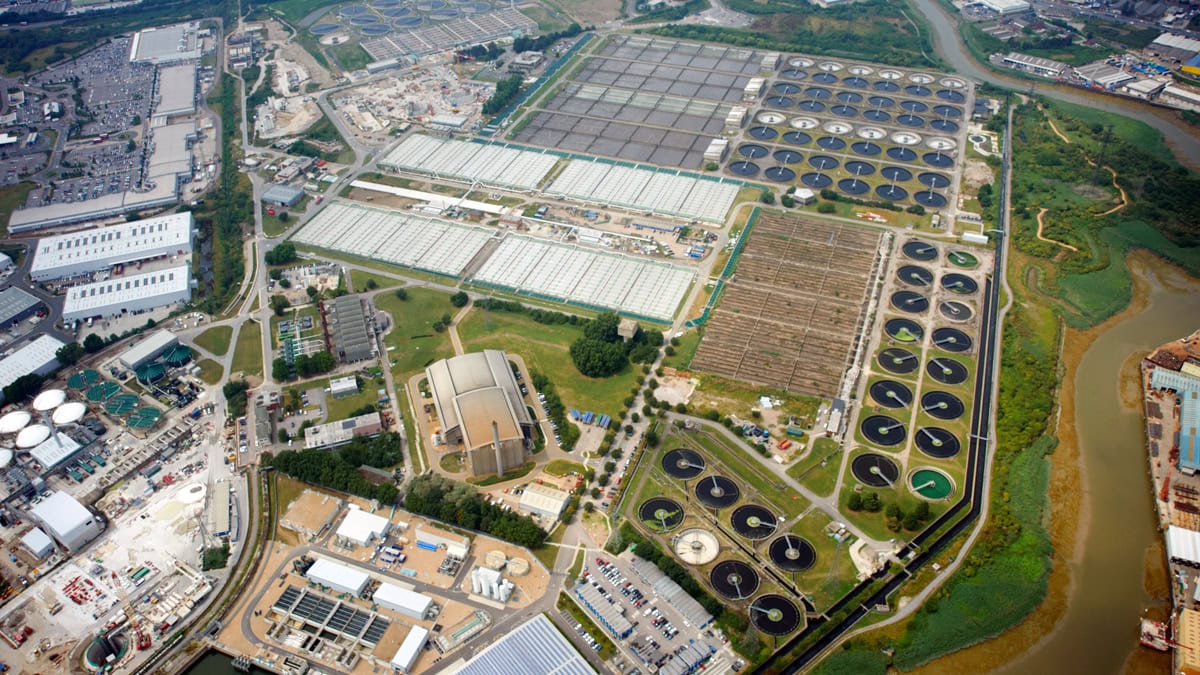
Most detections across the UK have been linked to the Beckton Sewage Treatment Works, which serves large populations in northern and eastern London. Previous findings in late 2024 were also reported in areas such as East Worthing, Leeds, and at London’s Crossness treatment facility.
The issue is not confined to the UK. Toward the end of 2024 and into early 2025, similar vaccine-derived strains (originally identified in Nigeria) were detected in sewage across multiple European countries. These findings highlight the ongoing risk of international transmission and undetected spread in communities with lower vaccination coverage.
Concerns have escalated further after the US Centers for Disease Control and Prevention issued a Level 2 travel health notice for the UK on 3 March 2026, advising enhanced precautions.
The British Polio Fellowship has voiced serious concern that the UK’s decision to withdraw funding from GPEI comes at a critical moment, when global surveillance and response systems are already under significant pressure. Due to funding shortfalls, GPEI has reduced its 2026 budget by 30%, impacting its ability to monitor outbreaks and respond effectively.
A study published in The Lancet has warned that inadequate funding for eradication efforts could result in up to 200,000 new cases of paralysis annually in low-income countries. Despite decades of progress, over 2.5 billion children vaccinated and a reduction of global cases by more than 99%, wild poliovirus remains endemic in Afghanistan and Pakistan, while vaccine-derived variants continue to circulate in vulnerable regions across Africa, the Middle East, and South-East Asia.
Kripen Dhrona, Chief Executive of the British Polio Fellowship, emphasised the seriousness of the situation:
“The repeated detection of poliovirus in UK sewage is a clear warning that the threat has not disappeared. At a time when global surveillance systems are under strain, the UK’s withdrawal from funding a key eradication initiative is both concerning and potentially dangerous.
“For those already living with the lifelong effects of polio, the possibility of the virus re-emerging in the UK is very worrying. The recent findings in London highlight the consequences of having gaps in vaccination coverage and reduced international oversight. Immediate action is needed to stop further spread and protect at-risk communities.”
In response, the British Polio Fellowship is urging the UK government to take the following steps:
- Reinstate funding for the Global Polio Eradication Initiative to support vaccination and monitoring efforts.
- Increase the scope of sewage surveillance beyond the current 26 sites to improve early detection nationwide.
- Implement targeted public health campaigns to boost vaccination rates, particularly in areas such as London where uptake is lower and risks are higher.